Mar. 25, 2026
Light exposure is a major degradation pathway for beverages such as milk, yogurt drinks, functional beverages, beer, and nutraceutical liquids. Selecting the right label film is therefore not just aesthetic—it directly impacts product stability, shelf life, and brand quality.
Among available labeling materials, white PETG (Polyethylene Terephthalate Glycol) shrink films stand out for their high opacity and protective performance. Here’s a technical breakdown of why they are widely used for light-sensitive beverages.
White PETG film is a modified PET material blended with high-opacity pigments (typically TiO₂) and engineered for shrink sleeve labeling.
Key properties:
• High shrink ratio (up to 75–78%)
• Excellent printability
• Strong mechanical performance
• Superior opacity vs transparent films
Light (especially UV and blue wavelengths) can trigger:
• Oxidation reactions → off-flavors
• Vitamin degradation (e.g., riboflavin in milk)
• Color fading in functional drinks
• Loss of bioactive compounds
Example: Milk exposed to light develops a “sunlight flavor” due to lipid oxidation.
TiO₂ has a high refractive index (~2.7)
• Causes strong scattering of visible and UV light
• Prevents light transmission through the film

Result:
Near-total light blocking, significantly higher than clear or lightly tinted films.
White PETG films often have:
• Pigmented core layer
• Printable outer layer
• Functional inner layer
This structure:
• Reflects light at multiple interfaces
• Reduces transmission and internal penetration
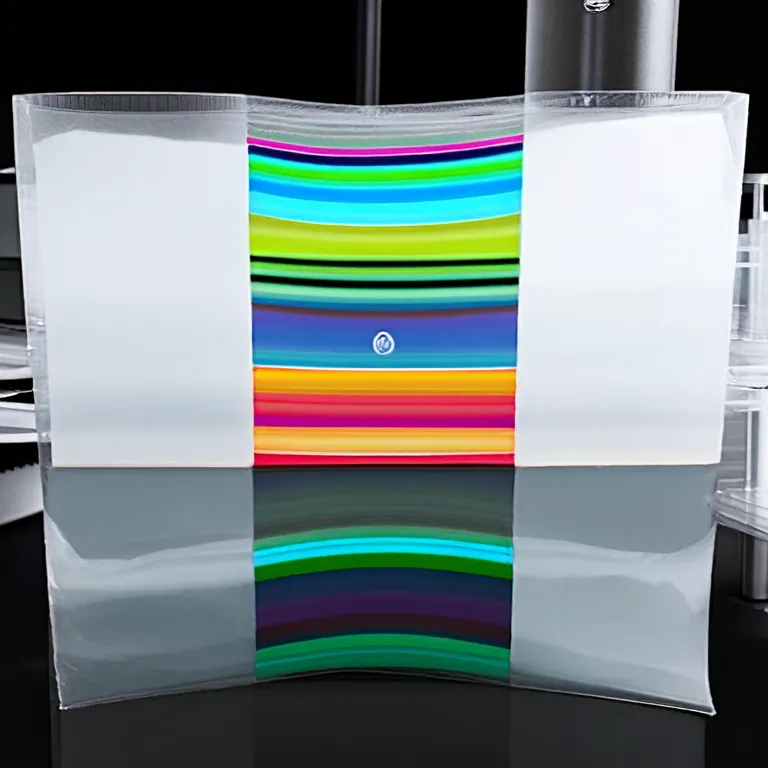
• White PETG films can achieve opacity >85–95%
• Dramatically reduces:
▪ UV transmission
▪ Visible light penetration
Compared to:
• Transparent PETG → <10% opacity
• Colored films → moderate protection
Unlike partial labels, PETG shrink sleeves provide:
• 360° full-body coverage
• Complete shielding of the beverage
• No "light leakage zones"

This is critical for:
• Dairy products
• Probiotics
• Functional beverages
• Reduced oxidation
• Stabilized nutrients
• Maintained flavor profile
• Prevents discoloration
• Protects vitamins (A, B2, D)
• Preserves aroma compounds
• High-opacity white base enhances:
▪ Print contrast
▪ Color vibrancy
• Combines marketing + protection in one layer
• Suitable for:
▪ Automatic shrink labeling lines
▪ Complex bottle shapes
| Property | White PETG | Transparent PETG | PVC Shrink Film | OPS Film |
|---|---|---|---|---|
| Opacity | ⭐⭐⭐⭐⭐ | ⭐ | ⭐⭐⭐ | ⭐⭐ |
| Light Protection | Excellent | Poor | Moderate | Moderate |
| Shrink Performance | Excellent | Excellent | Good | Moderate |
| Sustainability | Better (recyclable variants) | Good | Poor | Moderate |
| Print Quality | Excellent | Excellent | Good | Good |
White PETG films are widely used for:
● Milk & dairy beverages
● Functional & vitamin drinks
● Beer & light-sensitive alcohol
● Nutraceutical liquids
● Probiotic beverages
To optimize performance:
• Use high TiO₂ loading (>6–8%)
• Choose thicker film (40–50 microns)
• Ensure full sleeve coverage
• Combine with UV-blocking inks/coatings
White PETG films significantly improve opacity through:
Advanced pigment technology (TiO₂)
Multi-layer light scattering
Full-body sleeve coverage
For light-sensitive beverages, they provide a critical barrier against photodegradation, while also enhancing branding and shelf appeal.
Bottom line:
If your product is vulnerable to light, white PETG shrink sleeves are one of the most effective packaging solutions available today.

Latest News
Oct. 22, 2026
How to Print on RPET Shrink Film: Ink Adhesion Solutions
How to Print on RPET Shrink Film: Ink Adhesion Solutions
Oct. 21, 2026
Clear vs. White PETG Shrink Film: How to Choose for Maximum Product Visibility
Choosing the correct shrink film is crucial for ensuring product visibility. In this post, we’ll explore how Clear PETG Shrink Film and White PETG Shrink Film differ in terms of features, benefits, and visibility. Understanding these differences will help you make an informed decision about which film to use. Whether you prioritize transparency, branding, or product protection, our guide will
Oct. 19, 2026